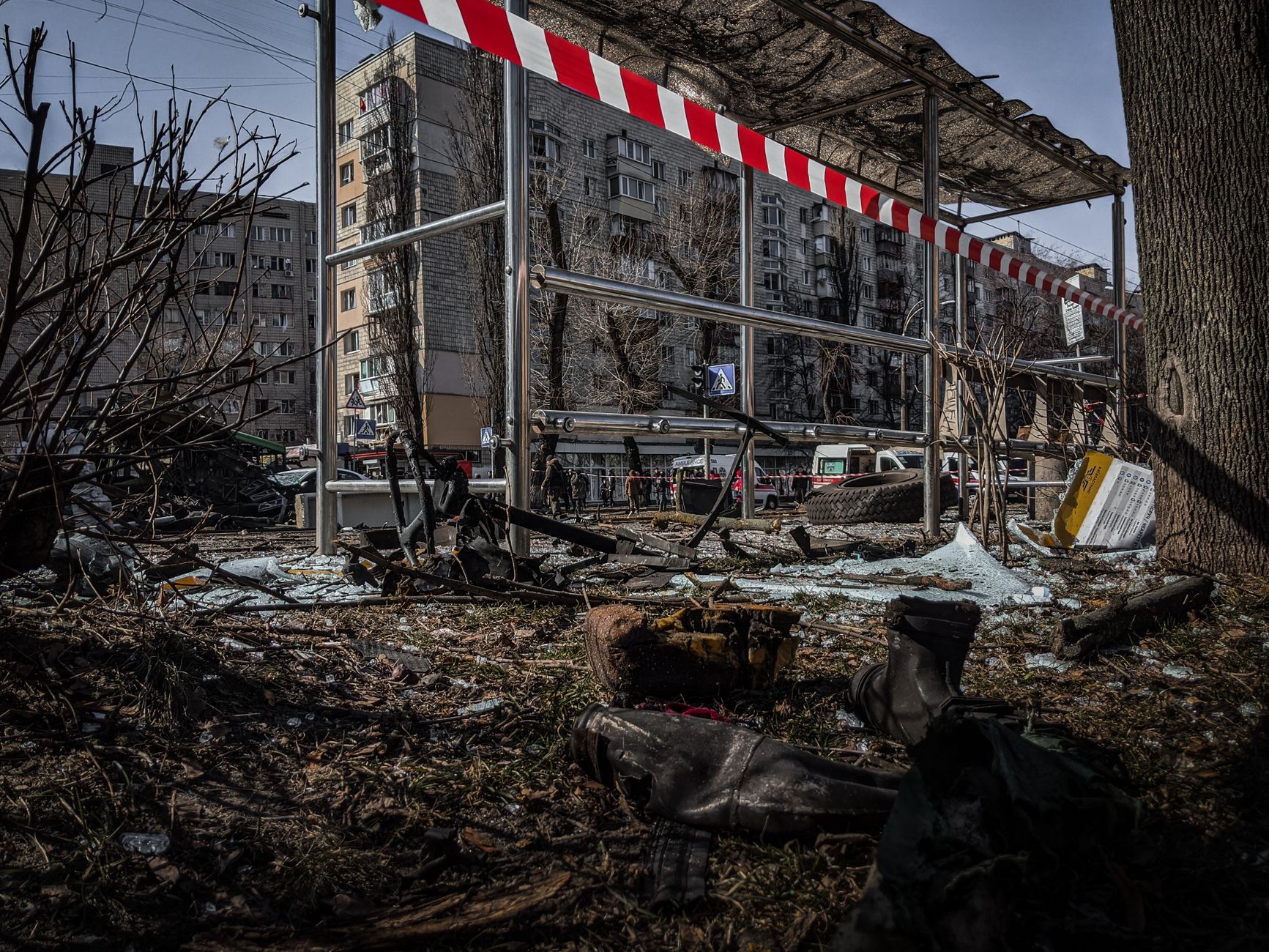
Kyiv's sky lit up like a bad firework display at 3 a.m. — the kind you watch with your heart in your throat, not your hand on a beer. By dawn, the body count was 17. Another 40 wounded, some of them kids. The head of the city's military administration put it plainly: Russia is 'once again massively attacking' the region. No hyperbole. No spin. Just the grim reality of a war that's grinding into its third year with no end in sight.
President Volodymyr Zelensky didn't mince words either. In a late-night address, he said something that should chill every leader in the West: 'If we had enough interceptors, these lives would have been saved.' That's not a hypothetical. That's a direct accusation wrapped in a plea. Ukraine has been begging for more air defense systems — Patriots, NASAMS, IRIS-T — since last winter. They've received some. Not enough. And the gap between what's promised and what's delivered is measured in blood.
The Numbers Don't Lie
Let's break it down. The Ukrainian air force claims they shot down 21 of 28 incoming drones and missiles. That's a 75% interception rate — impressive by any standard. But it means 7 got through. And those 7 found their targets. A residential block in the Shevchenkivskyi district. A warehouse on the outskirts. A bus stop, for God's sake.
Each of those 7 penetrations cost lives. And each was preventable — if only the interceptors had been there. Ukraine's military says they need at least 25 Patriot systems to cover all major cities. They have, by last count, about 4. That's not a typo. Four. For a country the size of Texas, with an active war on its eastern flank and missiles flying from all directions.
'The math is simple: every interceptor you don't send is a grave you'll have to dig later.' — a Ukrainian logistics officer told me, off the record.
You don't need to be a general to see this. If you've got 28 threats coming and you can only engage 28, but you've only got 21 missiles in the tubes, you're going to lose 7. It's basic arithmetic. And the allies who keep saying 'we stand with Ukraine' are the ones who control the supply lines. They control the math.
What's the Hold-Up?
I've covered this war from the first days. I've sat in the trenches with soldiers who've watched their friends die from shrapnel that could have been stopped by a single Patriot battery. And I still can't get a straight answer from Western officials on why the flow of air defense has been so stingy.
Is it production capacity? The Pentagon says they're 'ramping up' — but ramping up doesn't help the family whose apartment was just obliterated. Is it fear of escalation? Please. Russia has already escalated to hypersonic missiles and North Korean artillery. A few more Patriots aren't going to trigger World War III — they might actually prevent it by making Putin's strikes less effective. Is it political will? Some European leaders are quietly worried about provoking Moscow, as if the Kremlin needs an excuse to commit atrocities.
Meanwhile, the Ukrainians are improvising. They've rigged old Soviet systems with Western missiles. They've turned civilian radar into makeshift early warning. They're fighting with duct tape and courage, but courage doesn't catch a Kh-101 cruise missile.
The Human Cost
Let me tell you about one of the victims. A 12-year-old girl named Sofia. She was sleeping in her bedroom when a drone slammed into the building two floors up. She didn't make it. Her mother is in the hospital, her father is at the morgue. I didn't meet her, but I've met a hundred Sofias in this war. Their faces blur together, but the pattern is always the same: a promise of safety that never came.
It's not just about the deaths. The psychological toll is immense. Every night, air raid sirens wail, and parents drag their kids to bunkers, praying the walls hold. The constant drip of terror wears people down. I spoke to a woman in a shelter who told me, 'I'm not scared anymore. I'm just tired. Tired of running, tired of hoping, tired of the silence from our friends.'
That silence is the point. When President Zelensky says interceptors could have saved lives, he's not just talking about equipment. He's talking about the moral calculus of those who hold the keys to the warehouses. Every missile that gets through is a policy decision. Every death is a footnote in some memo that nobody will want to read.
The Clock Is Ticking
Ukraine's air defense stockpiles are running low. The summer offensive is draining resources. And now, with winter approaching, Russia is preparing to target energy infrastructure again — the same playbook they used in 2022–2023, plunging millions into darkness and cold. Without interceptors, that will be a catastrophe of state-sanctioned starvation.
I've heard the arguments against giving Ukraine everything they ask for. Logistics, training, corruption concerns. But those are excuses, not reasons. The reason is simple: hesitation. And hesitation has a body count.
The West has already sent billions in aid. It's not that the money or the will is entirely absent. It's that the supplies are trickling in like a leaky faucet when you need a firehose. At some point, you have to ask: If this is the best we can do, what's the point of all the noble speeches?
'History will judge us not by the words we speak in solidarity, but by the interceptors we deliver in silence.' — a former NATO official
An Uncomfortable Truth
Here's the uncomfortable truth that nobody in Washington or Brussels wants to admit: Ukraine isn't losing this war because they lack courage or competence. They're losing it because they lack the tools to protect their own people. And those tools exist. They're being built, in some cases just sitting in stockpiles, waiting for permission that never comes.
Zelensky's plea should be a wake-up call. But I've seen too many wake-up calls go unanswered. I saw it in Syria, where the chemical red lines were crossed again and again. I saw it in Afghanistan, where we walked away and left millions to the Taliban. I'm seeing it now in Ukraine, where every intercepted missile is a victory, and every missed one is a tragedy that could have been prevented.
This article isn't a neutral overview. It's a rage-filled demand for action, because that's what the situation warrants. In the time it takes you to read this, Russia will have launched another attack, and Ukraine will have shot down some, but not all. And somewhere, a mother will be crying over a child who should have been saved by a system that's sitting in a warehouse in Oklahoma.
The next time a Western leader says 'we stand with Ukraine,' ask them how many Patriots they've shipped this week. If they stall, you have your answer. And if the answer is 'none,' then we need to ask ourselves a far more uncomfortable question: Are we complicit in these deaths?
I know my answer. It's the one that keeps me up at night.