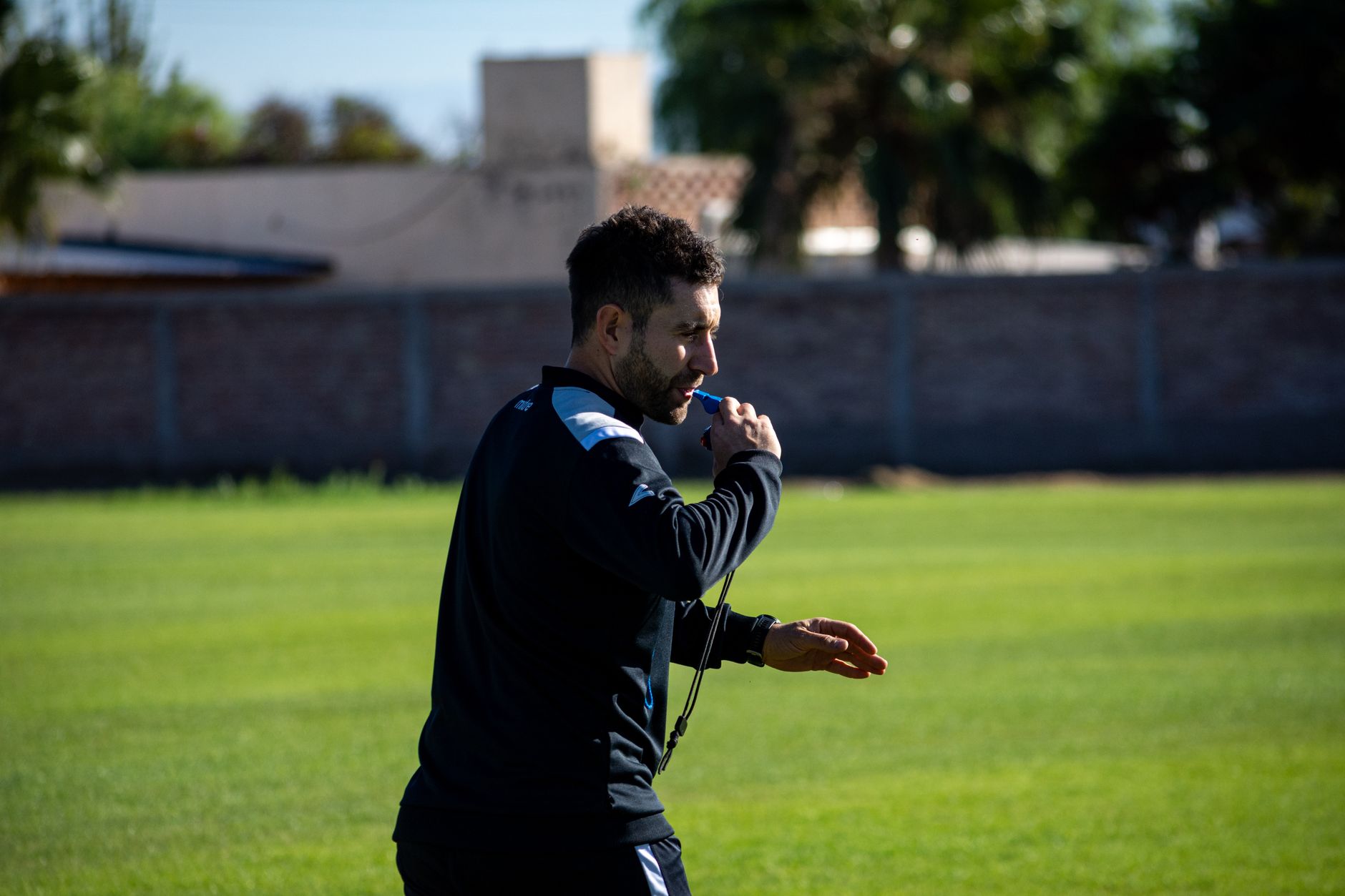
The man who brought swagger back to American soccer isn't going anywhere. Mauricio Pochettino has inked an extension that keeps him at the helm of the US men's national team through the 2030 World Cup. The announcement landed Tuesday, and while the federation is spinning it as a vote of confidence, it's really a survival pact. Both sides know the next four years will define whether this experiment was genius or a costly mistake.
Let's rewind. When Pochettino took over in late 2024, the US team was a mess. Talent on paper, chaos on the field. A squad that couldn't string three passes together in the Copa America, a fanbase that had stopped caring, and a federation that seemed to have no clue how to fix it. Pochettino walked into that dumpster fire and, within months, had them playing like a team that actually believed in itself. The 2026 World Cup on home soil was a turning point—they reached the quarterfinals, losing to Brazil in a penalty shootout that still stings. That run wasn't just a highlight reel; it was proof of concept. The guy knows how to get the most out of a group that, on paper, shouldn't have gotten that far.
A Marriage of Convenience, or Something Deeper?
This extension isn't just about the coach. It's about the players. Christian Pulisic, Yunus Musah, Gio Reyna—they've all bought into Pochettino's system. The Argentine doesn't just coach; he makes players feel like they're part of something bigger. That's rare in international football, where you get maybe 10 days a year with your squad. He's built a culture where guys actually want to show up for camps. No more excuses about travel or club commitments. That's the quiet victory that doesn't show up in the box score.
But here's the thing about long contracts in soccer: they can go sideways fast. Remember when the US extended Gregg Berhalter after the 2022 World Cup? That decision aged like milk. By 2024, the team was in shambles, and Berhalter was out the door. Pochettino is a different animal, sure, but the sport has a way of humbling even the best. The 2030 World Cup will be held in Spain, Portugal, and Morocco—no home advantage this time. The expectation will be to go further than a quarterfinal. That's a massive ask, even for a coach of his pedigree.
The federation is clearly betting that stability breeds success. And there's logic there. Every major soccer power—Brazil, Germany, France—keeps their coaches for cycles, not just tournaments. The US has been a revolving door of managers since the Klinsmann era. Pochettino's extension signals that US Soccer finally understands the value of continuity. But it also raises the stakes. If the team underperforms in the next few years, there's no quick fix. They're stuck with him until 2030, for better or worse.
The Roster Problem No One Wants to Talk About
Here's the uncomfortable truth: this team's core is aging. Pulisic will be 31 by the 2030 World Cup. Musah will be 27, Reyna 27—okay, they'll be in their primes. But the supporting cast? The defense that was shaky in 2026? They'll be past their shelf life. Pochettino's biggest challenge isn't tactics; it's recruitment. He's got to find the next wave of players who can step up on the world stage. The MLS academy system is churning out talent, but whether it's ready for prime time by 2030 is anyone's guess.
And don't get me started on the schedule. The 2028 Olympics are in Los Angeles. That's a chance for the U-23s to shine, but it's also a distraction. Then there's the 2029 Gold Cup, which will be treated as a tune-up, not a priority. Pochettino's deal runs through all of it, which means he'll be managing a squad of veterans and greenhorns, trying to blend them into something cohesive. It's a thankless job, and he's signed up for the long haul.
What's at Stake if This Fails
Let's game out the worst-case scenario. Say the US flops at the 2027 CONCACAF Nations League or, worse, doesn't even qualify for the 2029 Gold Cup knockout rounds. The fanbase, which Pochettino worked so hard to re-engage, will turn on him. The press will call for his head. The federation will have to choose: eat the contract or double down. That's an ugly position to be in, and it's not hypothetical. Every coach who's ever signed a long-term deal has faced that moment.
But here's the flip side. If Pochettino pulls it off—if the US reaches the semifinals in 2030 or even wins the damn thing—he'll be a national hero. He'll have done what no one thought possible. The growth of soccer in America has been a slow burn, but this is the moment it could ignite. The next generation of kids watching him lead the team could be the ones who take the sport to the next level. That's not just about trophies; that's about legacy.
The Verdict? I'm Cautiously Optimistic
Look, I've covered enough sports to know that contracts are paper until they're not. Pochettino's extension is a bold statement, but it's also a gamble. The US Soccer Federation is betting that this coach is the exception to the rule, that he can sustain success over four years without losing his edge. They might be right. The man has already proven he can turn a group of underachievers into contenders. If anyone can do it again, it's him.
But the clock is ticking. The 2026 World Cup is in the rearview mirror. Every friendly, every qualifier, every tournament now counts toward a single goal: being ready for 2030. Pochettino has the trust of his players, the backing of the federation, and a long runway. There are no more excuses. Now it's about results. And if he delivers, he'll go down as the greatest coach in American soccer history. If he doesn't, this extension will be remembered as the moment US Soccer bet the house and lost. Either way, we're in for one hell of a ride.


